Uber and Lyft injuries · Texas
Hurt in an Uber or Lyft accident in Texas?
We can help you understand who may be responsible. Whether the driver was waiting for a request or had already accepted a ride helps us identify which insurance to review.
You don’t need to figure out which insurance applies before you call. RMQ can review what happened with you.
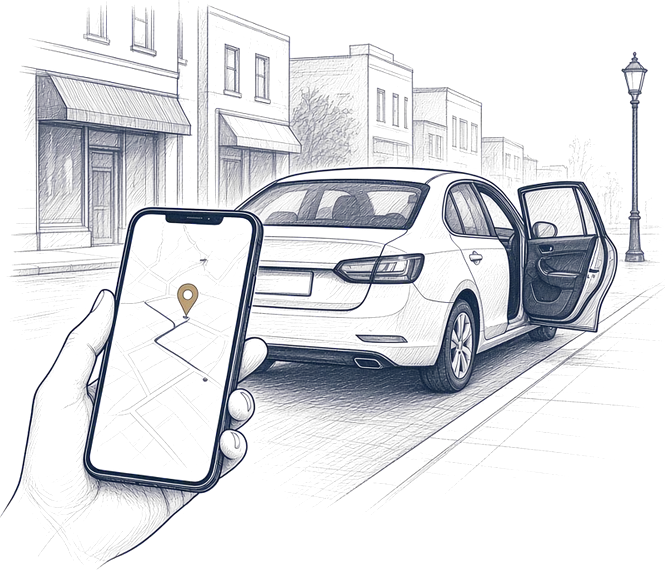
Start with your situation
I was a passenger
A claim may involve the rideshare driver, another driver or both. Save the trip receipt and any messages about the ride.
Read guidanceI was in another vehicle
The driver’s rideshare activity may affect which insurance needs review. Save the driver, vehicle and crash-report information you have.
Read guidanceI was walking or cycling
You do not need an Uber or Lyft account to ask for a review. Preserve the location, photographs and witness details you can access.
Read guidanceI was driving for Uber or Lyft
Your own injuries and vehicle damage need separate coverage review. Keep app activity, insurance documents and earnings records.
Read guidance
Keep what you have.
Get to safety and seek medical help for injuries. When you are able, preserve the original records you can access.
- Trip receipt, route and messages about the ride
- Driver details, photographs and crash-report number
- Medical bills, appointments and work records
Not sure what information you need or where to find it? You don’t have to figure it out alone. RMQ is here to help.
A practical next step
Insurance and records to save
See how the driver’s trip status affects Texas liability insurance requirements and which records may help explain what happened.
Read the insurance and evidence guideUnderstanding your rideshare injury claim
An Uber or Lyft crash can leave you dealing with injuries, missed work and calls from more than one insurer. Being a passenger, another road user or the rideshare driver changes the questions that need to be answered.
Reaud, Morgan & Quinn, L.L.P. (RMQ) is a Texas law firm rooted in Beaumont since 1976. If you were injured in a rideshare crash, contact our team to discuss what happened and whether we can help. You do not need to identify the right insurer before making that first call.
If you were an Uber or Lyft passenger
A passenger’s claim may involve the rideshare driver, another driver or both. Start with the crash itself: which vehicles were involved, what each driver did and what the witnesses and records show.
Keep the trip receipt and any messages about the ride. If someone else booked it, ask them to preserve the booking details too. Tell the reviewing attorney where you were sitting, whether the trip had started or ended and what you remember about the impact.
If you were in another vehicle
You do not have to be an Uber or Lyft customer for the driver’s rideshare activity to matter. If a rideshare vehicle struck your car, the driver’s app status can help identify which insurance needs review.
Save the license plate, driver and insurance information, photographs and crash-report number if you have them. A rideshare sticker alone does not establish that the driver was working when the collision happened.
If you were walking or cycling
A pedestrian or cyclist may have a claim when a driver’s negligence causes an injury. Pickups, turns, crossings and drop-offs can raise different questions about the movements and visibility of everyone involved.
Record the location as precisely as you can and identify nearby cameras or witnesses. Preserve your own photographs and equipment. You can seek legal help even if you never had access to the driver’s trip information.
If you were driving for Uber or Lyft
Your own injury claim needs a separate insurance review. Liability coverage for harm caused to other people is different from coverage for your injuries or damage to your vehicle.
Keep your app activity, ride history, insurance documents and earnings records. Tell the attorney if more than one app was running. Personal insurance, any rideshare endorsement and other available policies need to be considered together.
Additional Information: Texas Department of Insurance rideshare guidance
Fault and insurance are separate questions
Fault
Asks who caused the collision. What each driver did, witness accounts and crash records help answer it.
Insurance
Asks which policy may respond. The driver’s app status matters to coverage, but does not prove who caused the crash.
Texas sets different minimum liability insurance limits while a driver is available for requests and after the driver accepts a ride. The accepted-ride period includes travel to collect the passenger.
An accident involving an Uber or Lyft vehicle does not automatically make the company legally responsible. Texas law limits certain claims based on a driver’s conduct while preserving claims based on the company’s own negligence in appropriate circumstances. A claim under an insurance policy is different from a direct claim against the company.
Additional Information: Texas Insurance Code Chapter 1954 · Texas Department of Insurance auto insurance guide · Uber rideshare insurance information · Texas law on transportation network company liability
Explain how the injury has changed daily life
A useful case review goes beyond the diagnosis. Describe treatment, time away from work, tasks you can no longer manage and help you now need from others.
Bring medical bills, appointment information and wage records that are already available. Keep a factual record of symptoms and limitations in your own words. You do not need a complete file before asking for help; the first conversation can identify what is still missing.
What to expect when you contact RMQ
When you contact us, we’ll review what happened and how your injuries have affected you. Our approach combines investigation, negotiation and preparation for trial.
Tell us what happened
Share the crash details, your injuries and anything you have heard from insurers. An incomplete file is fine.
We review the details
We identify which records need prompt attention and which insurance questions apply to your crash.
You decide what comes next
We explain who would handle your case, how we’d keep you updated, and how attorney fees and case expenses would work.
Contact our Beaumont office to discuss your situation. Meetings at the Houston office are by appointment only.
Have the filing deadline checked early
2 yearsGeneral Texas deadline to file a personal injury lawsuit, often counted from the crash date. Exceptions can change it.
Texas generally requires a personal injury lawsuit within two years after the claim accrues, often the crash date. Exceptions can change that calculation, and some matters have additional notice requirements. Reporting an accident to an app or insurer is not the same as filing a lawsuit.
Have an attorney check the dates that apply to your situation. Records can become harder to obtain while a claim is still within its filing period.
Additional Information: Texas filing deadlines
Frequently asked questions
We’re ready to listen
Talk with our team.
Tell us what happened and the questions you have. We can discuss whether RMQ may be able to help and what the next step could be.